
Just like safe sleep habits, healthy eating practices in the first year of life lay the foundation for a child’s lifelong health. From the very first spoonful, what babies eat, and how they eat, shapes their growth, brain development, and relationship with food. At Bright Start Learning Center, we partner with families to ensure consistency between home and childcare, helping little ones thrive through nutritious, safe, and joyful first food experiences.
When to Start First Foods
The AAP and CDC recommend beginning solid foods around 6 months of age, when infants: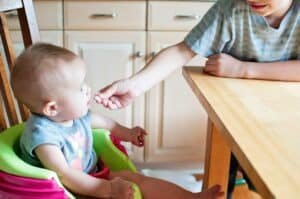
- Can sit up with support,
- Show interest in food,
- Have lost the tongue-thrust reflex,
- Can hold their head steady.
Breast milk or formula remains the primary nutrition source until 12 months, but complementary solids help meet growing needs.
At Home: Introducing First Foods
- Single-ingredient start: Begin with pureed vegetables, fruits, or iron-rich foods like fortified cereal or pureed meats. Introduce one at a time every 3–5 days to monitor allergies.
- Texture progression: Move from purees → mashed foods → small soft pieces as baby develops chewing skills.
- No honey before age 1 (risk of botulism). Avoid added sugar, salt, or cow’s milk until after 12 months.
- Offer water in small sips from a cup once solids begin.
At Bright Start Learning Center: Supporting Healthy Habits
Our teachers follow family guidance and pediatric recommendations to ensure safe and healthy first foods:
- Family partnership: We ask parents what foods have been tried at home before offering them at daycare.
- Allergy safety: New foods are introduced first at home, then continued at daycare once families confirm tolerance.
- Mealtime learning: Teachers sit with infants, model eating, and describe foods, “This is banana, it’s soft and sweet!”
- Safe feeding environment: Babies are always upright, supervised, and fed slowly and gently, never in cribs, swings, or lying down.
Consistency Matters: Home & Away
Just like safe sleep routines, consistency in feeding reduces stress and builds healthy patterns.
Away from Home
- Travel tip: Bring along familiar purees, pouches, or small containers of pre-prepped foods to maintain routine.
- Portable equipment: A travel high chair or booster with straps ensures safety and familiarity at grandma’s house, on vacation, or at a friend’s home.
Fussy Baby During Feeding
- Stay calm and patient: If baby refuses, don’t force it, wait and try again later.
- Distraction-free feeding: Just like at daycare, avoid screens or noisy environments during meals.
- Gentle soothing: A pacifier, a short break, or a cuddle may help baby reset before trying again.
Why It Matters
Early feeding habits influence not just physical growth but also taste preferences and food acceptance later in childhood. By keeping food experiences safe, consistent, and positive both at home and in daycare, we help babies learn to enjoy healthy foods, reduce feeding stress, and grow confidently.
At Bright Start Learning Center, healthy eating begins with thoughtful, safe, and loving introduction to first foods. By aligning practices at home and at our center, we ensure infants have the best start, building strong bodies, adventurous palates, and positive mealtime routines that last a lifetime.